What the operation rests on
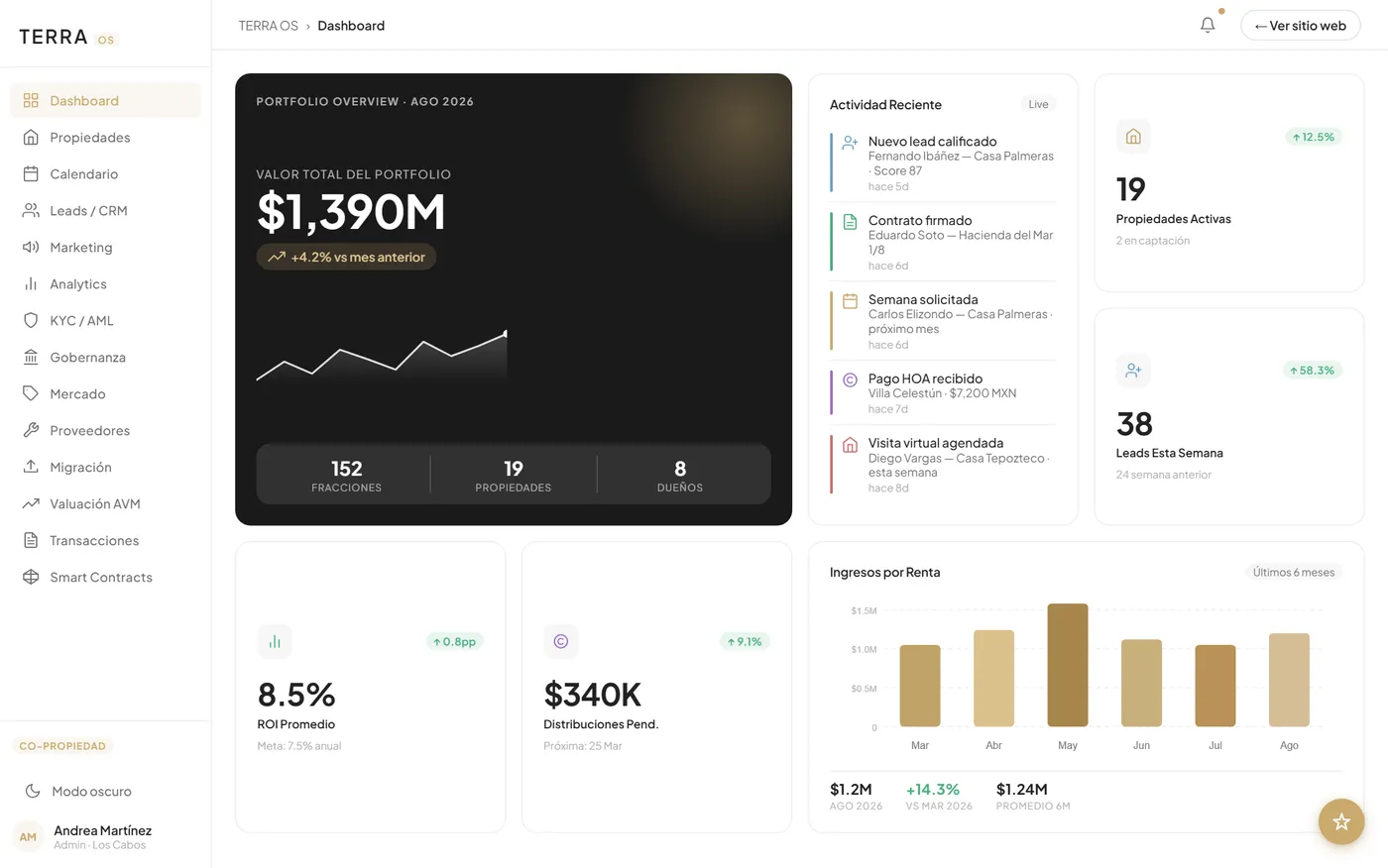
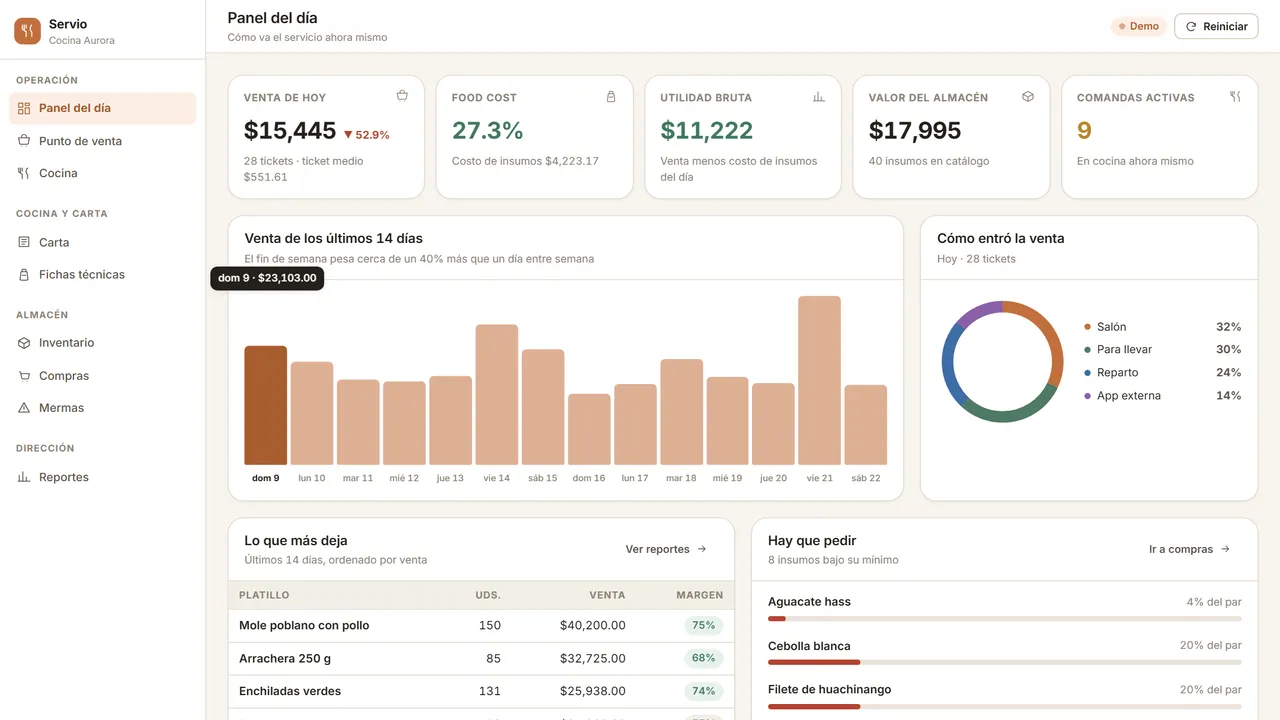
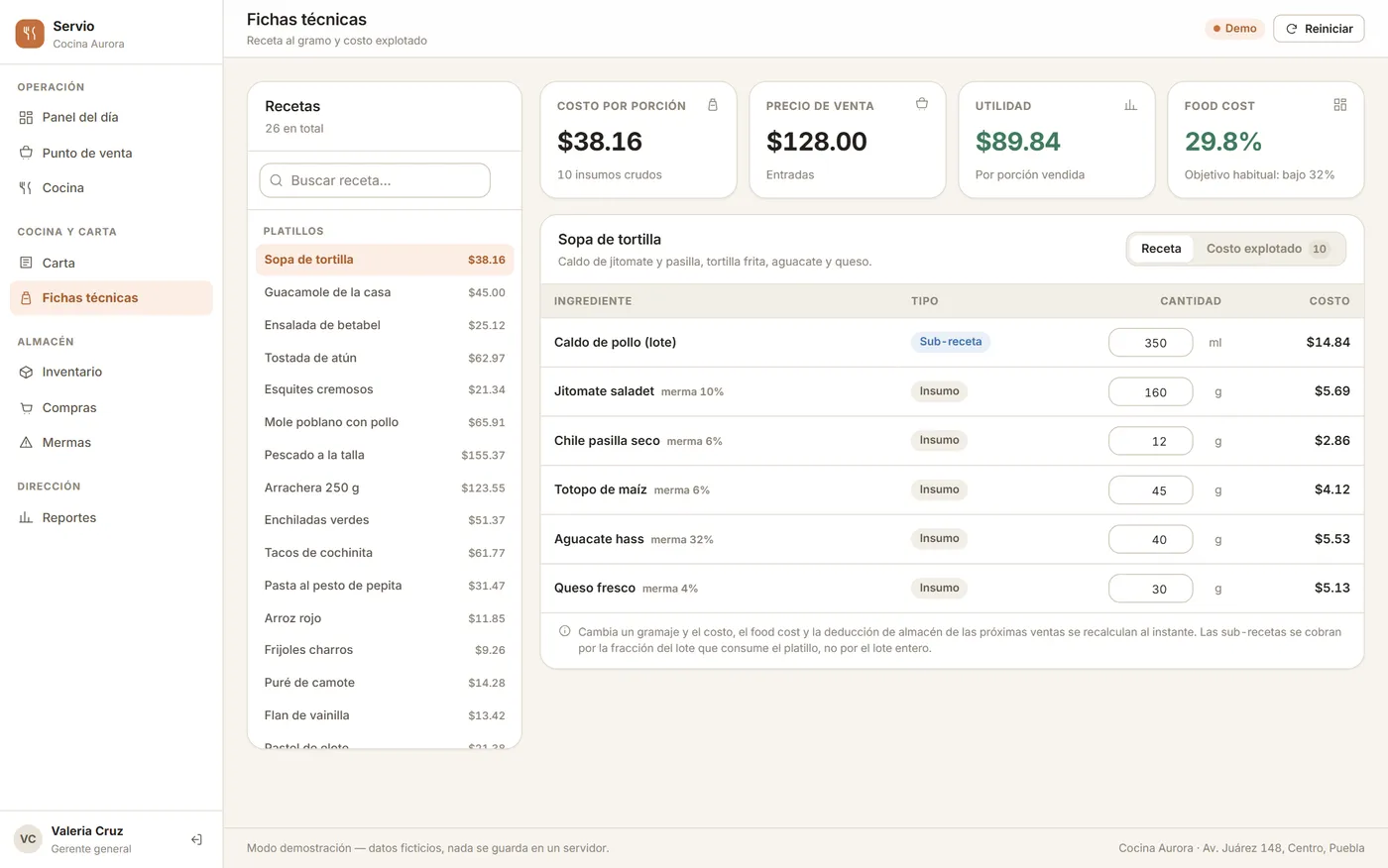
Records that expire, money that gets traced, inventory that adds up. It's measured in nobody having to check it twice.
Studio in Mexicowebsites and software
We design 3D, interactive websites that people explore instead of skim, and the custom software your company runs on inside. Same team, same code. This page is the proof.





Celyum closes the gap between the site a company publishes and the system it actually runs on —
a single piece, built whole.
The two briefs
They usually go to two different vendors, which is why they so rarely fit. Here the same team builds both, in the same codebase.
Records that expire, money that gets traced, inventory that adds up. It's measured in nobody having to check it twice.
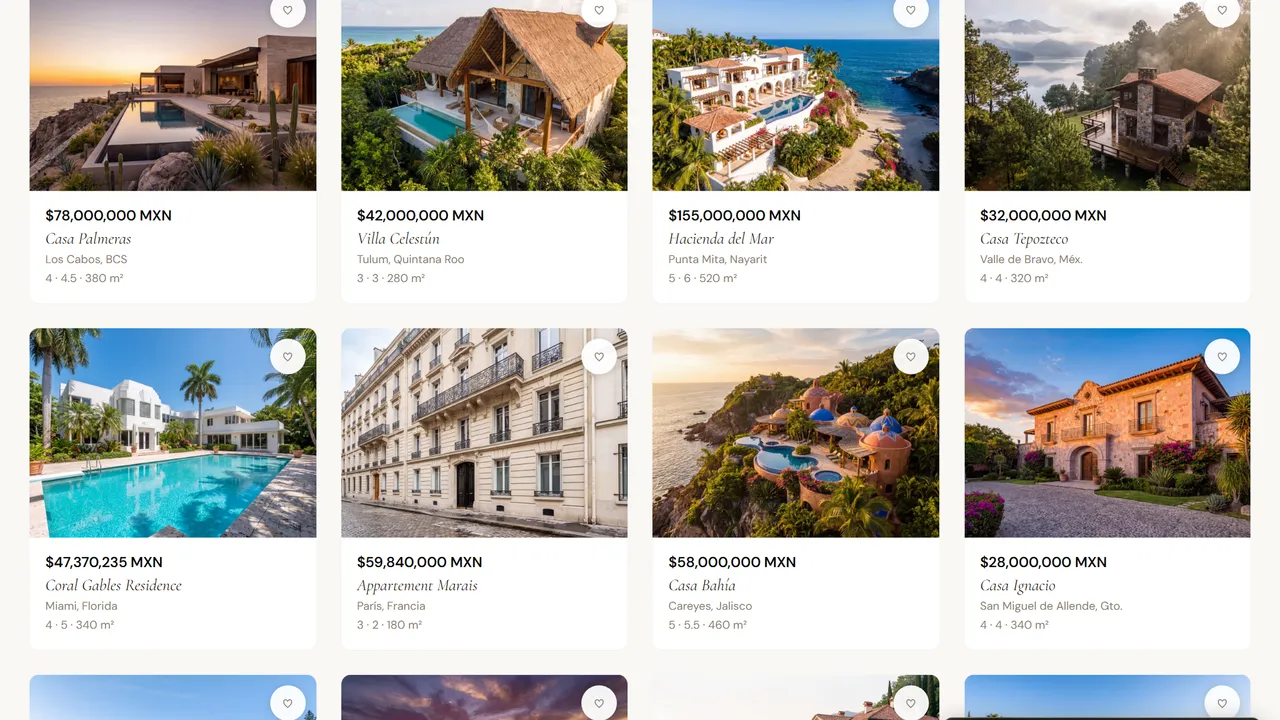
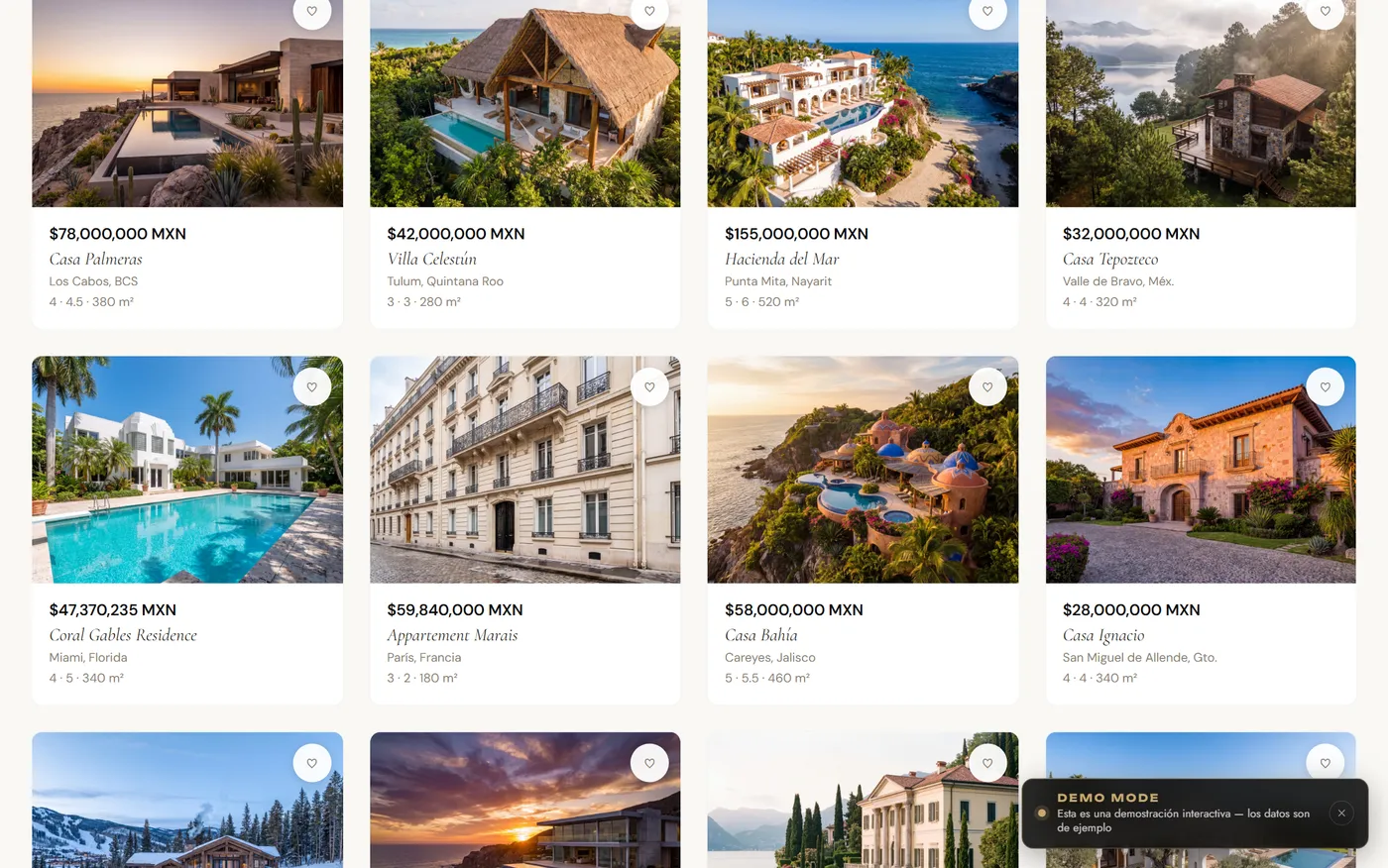
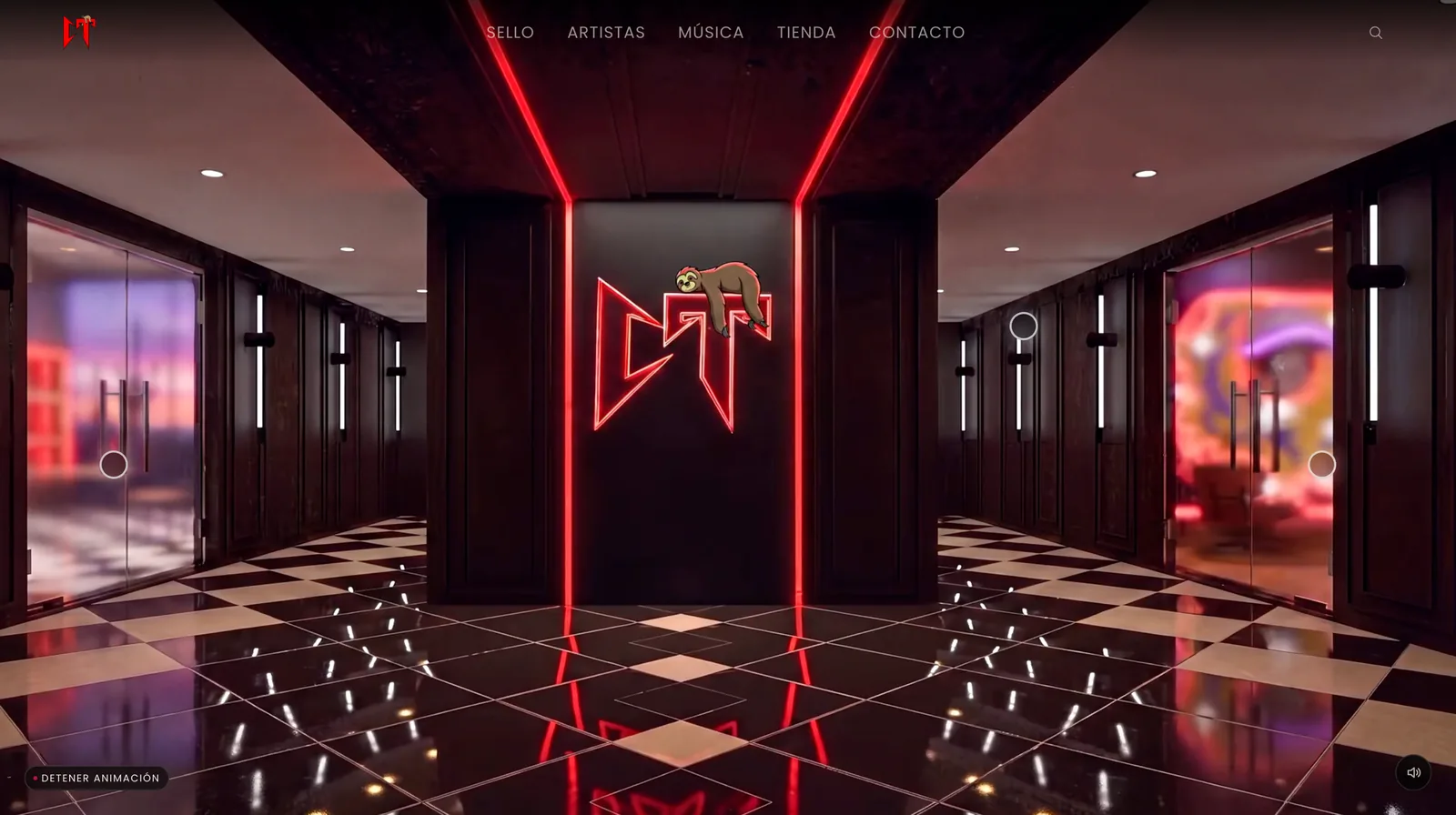
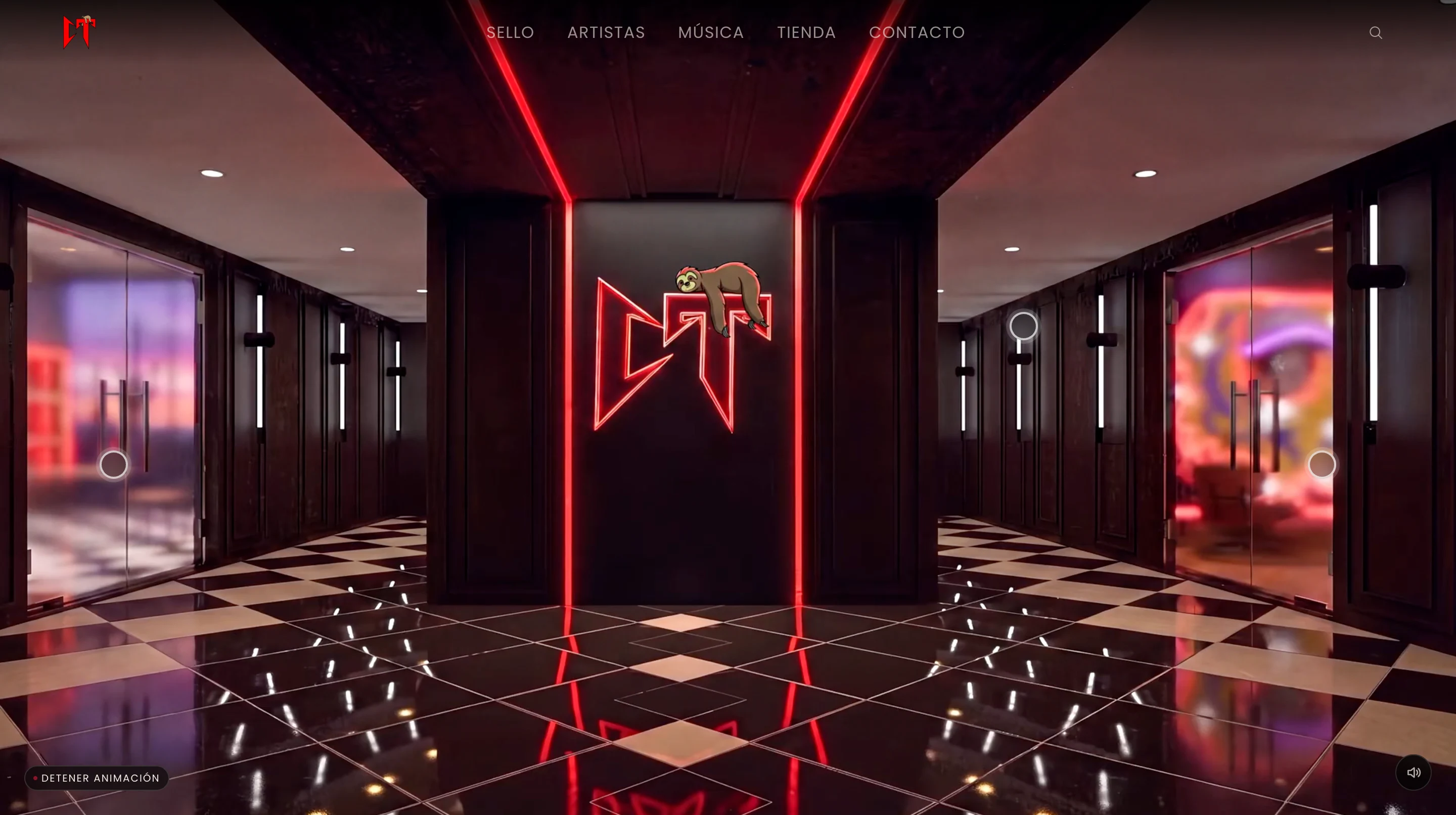
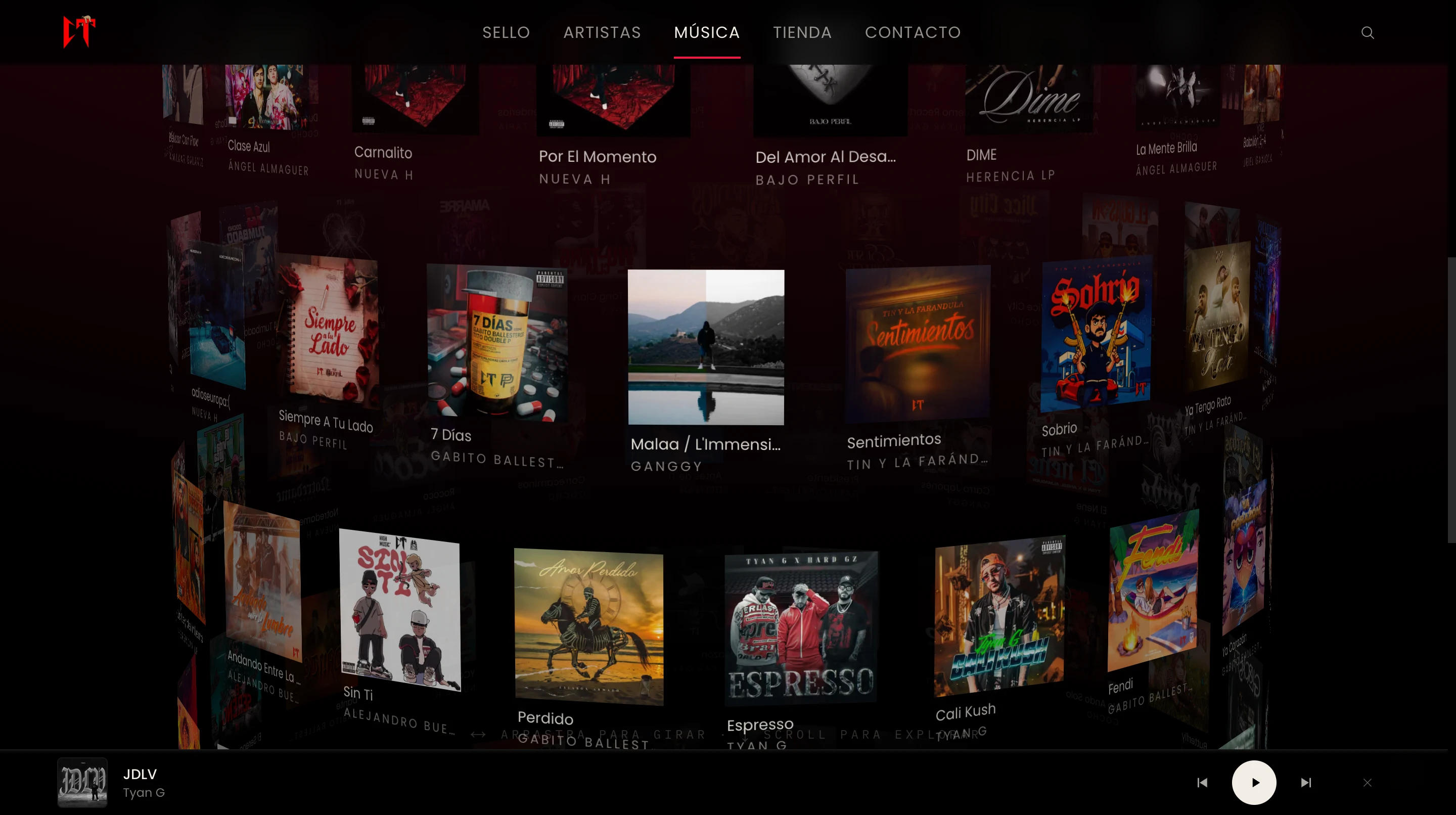
A catalog you walk through instead of scrolling. It's measured in how long someone takes to leave.
Same team, same repository, same database.
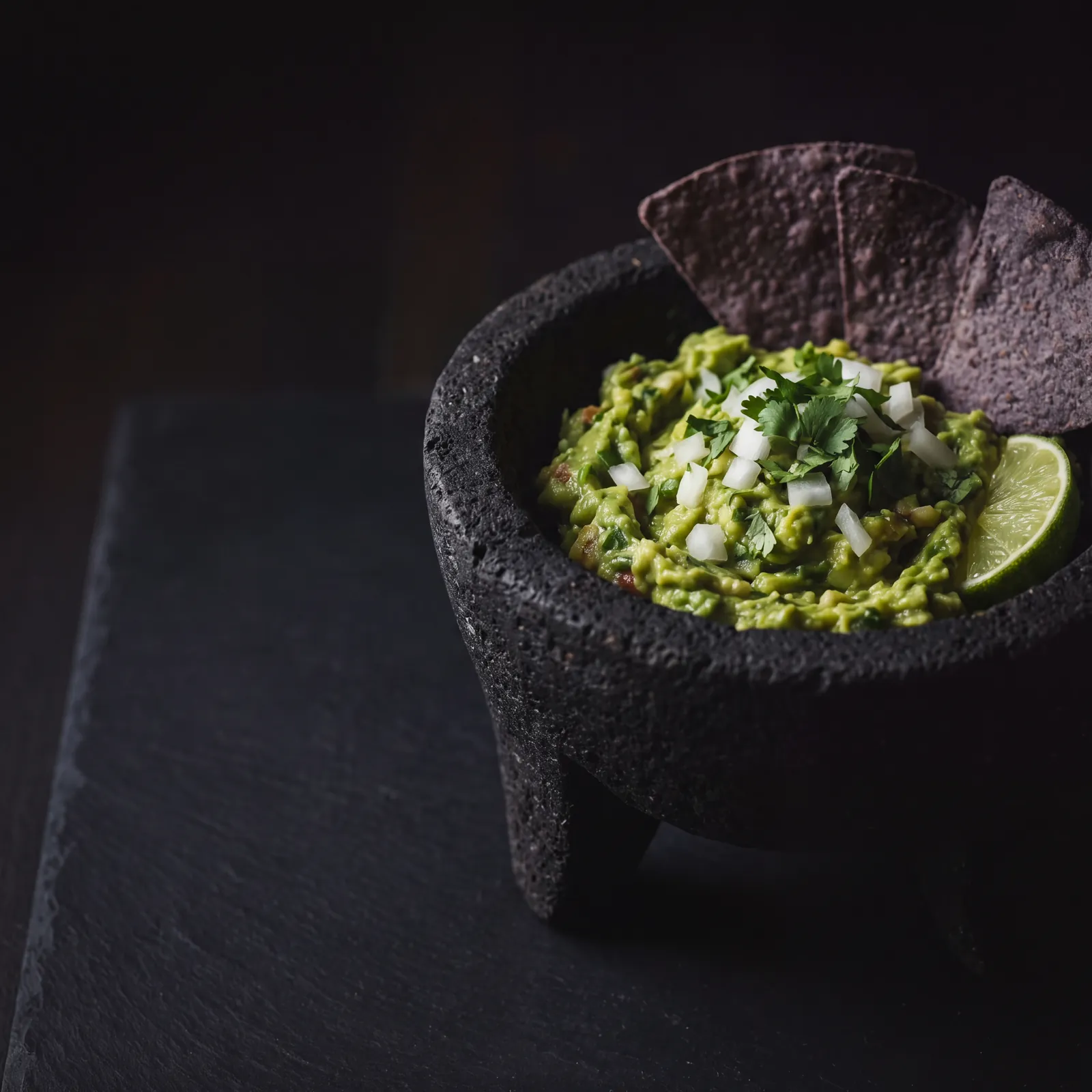
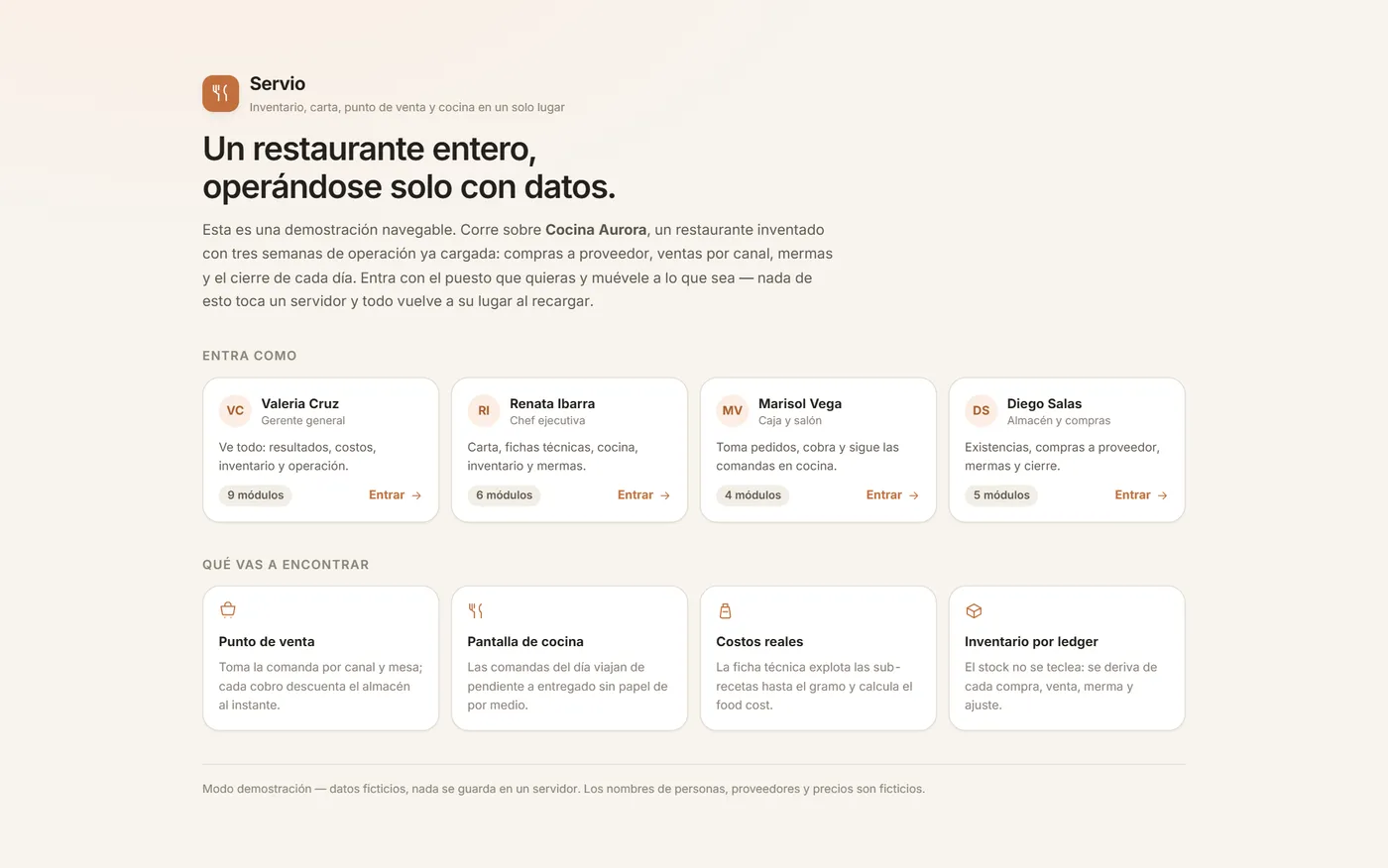
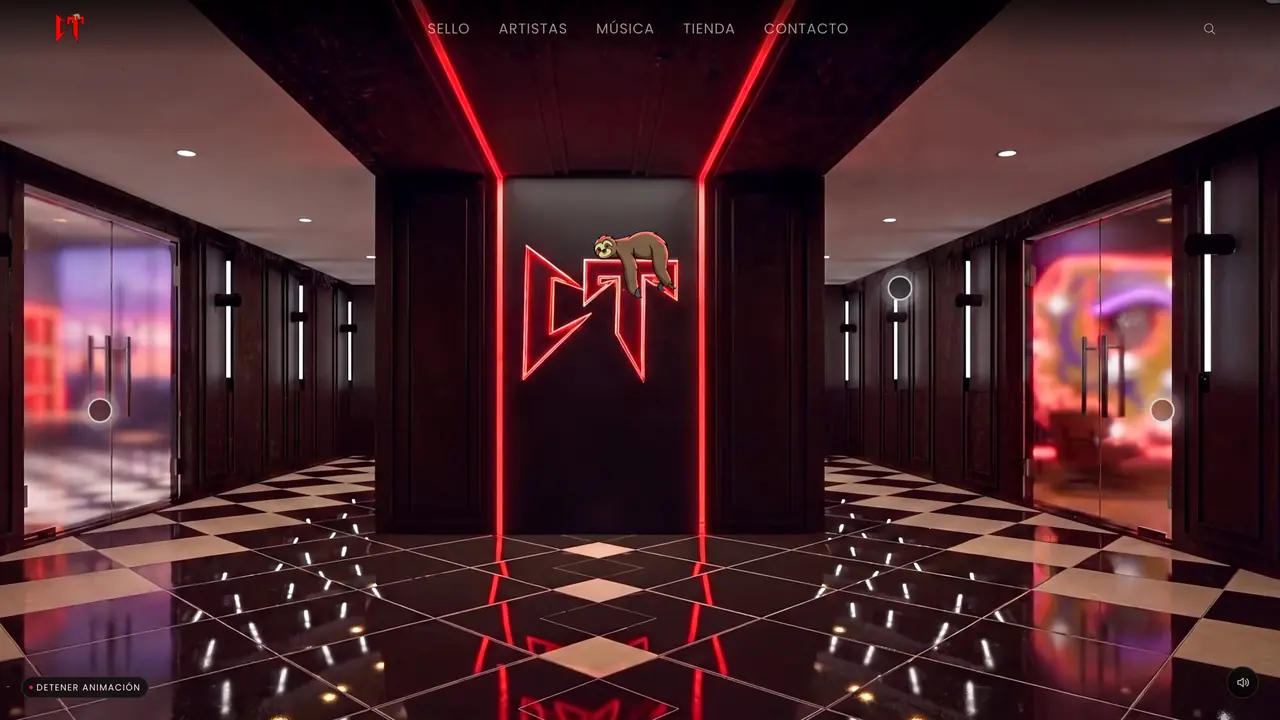
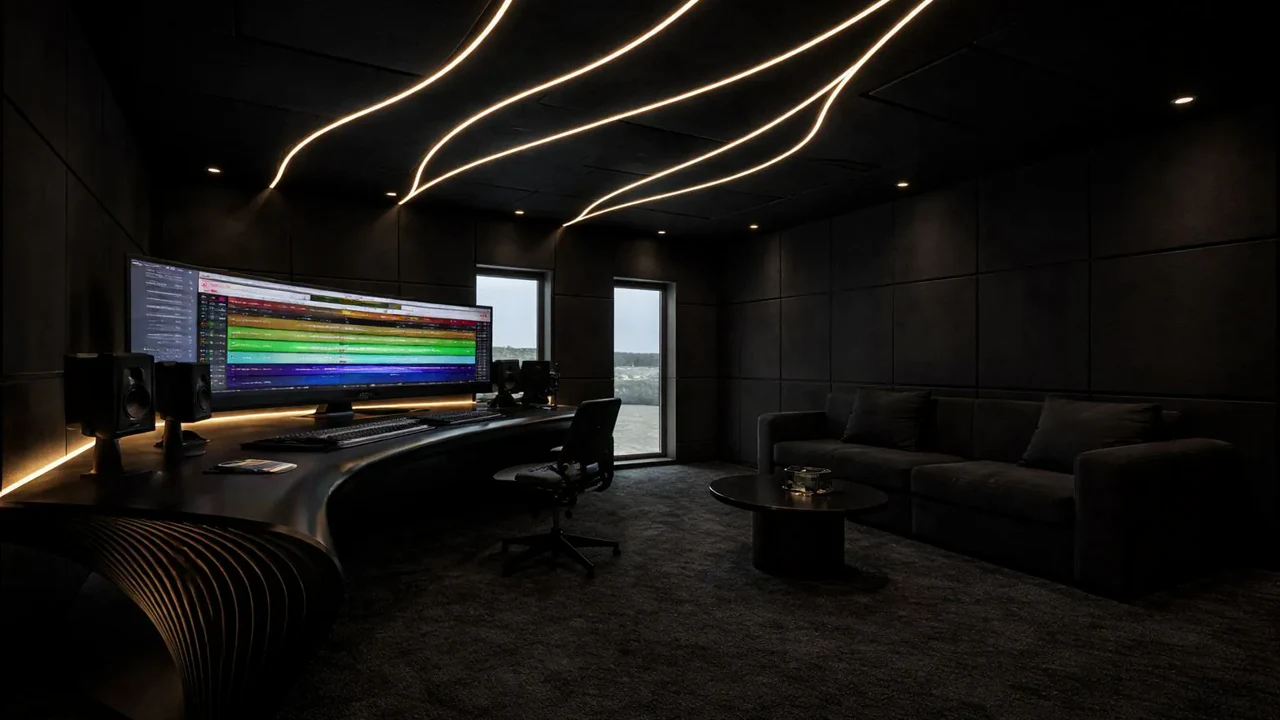
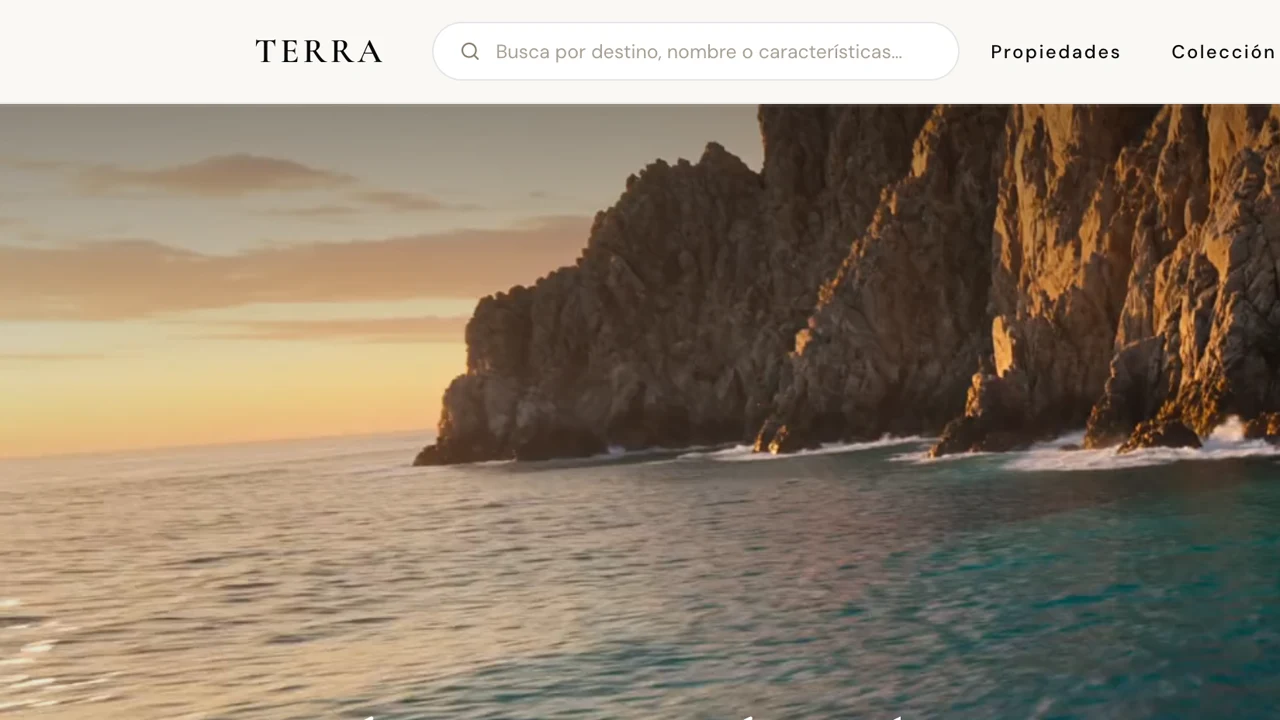
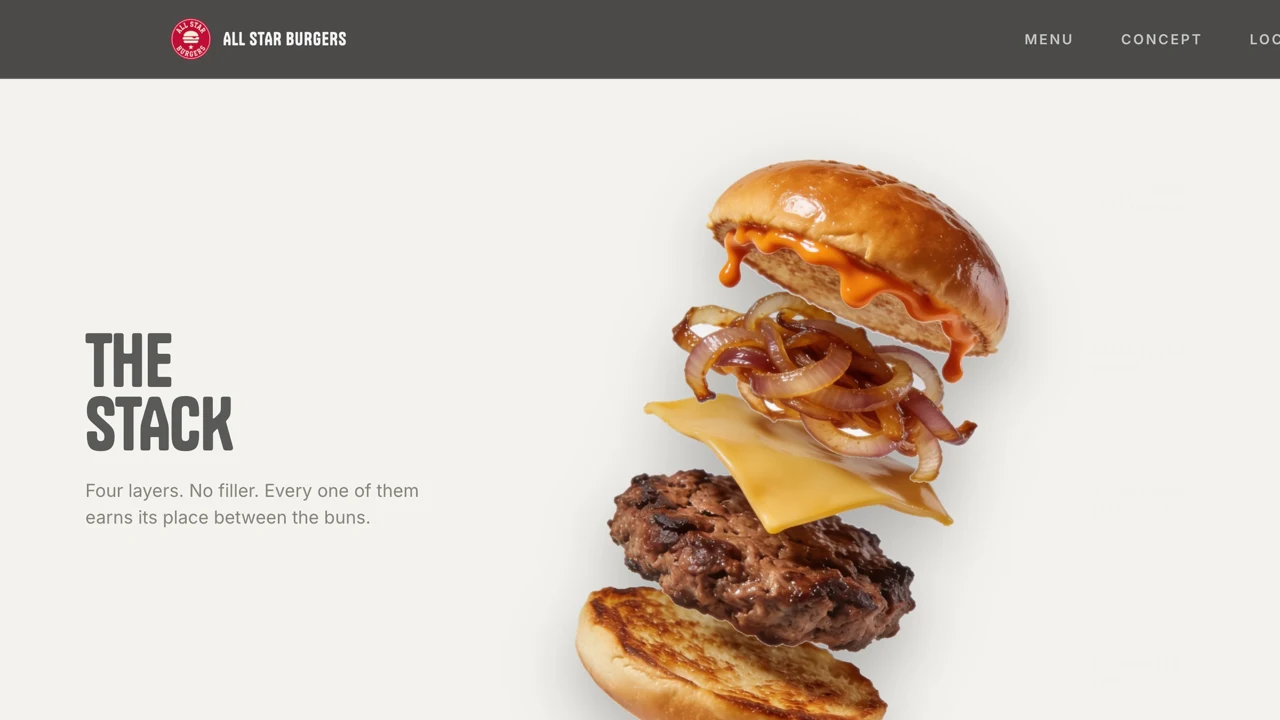
Six of the fourteen systems we've built — the ones we can show — one per sector. Five you can walk through inside.
What others said
In July 2026, 43,699 attempts were logged at completing a chain of physical codes hidden across Mexico City. Celyum built and ran the mechanics: where each code was scanned, where every attempt was logged, and the audit trail behind the winners list. The campaign belongs to Los CT Records; the system that held it up while thousands of people used it at once is ours.
Who builds it
Celyum is a Mexican studio of artists and developers: whoever draws the space is the one who decides how it moves, not two people translating for each other over email. Art direction, 3D, engineering and sound, under one roof, with the same eye from start to finish.
That's what separates a piece from a site with a render bolted on top: here design isn't handed off for someone else to interpret later. The same hand that conceives the universe is the one that builds it, animates it and runs it.
How we work
The site you're looking at, the panel you can't see, the 3D, the server and the reports: same team. Before you ask for a quote, it helps to know exactly what's included.
One system, one owner.
Before you write
You do. It runs on your infrastructure, under your accounts, and the code is handed over. This whole page says «software you own» because that is what it means: if we ever stop working together, the system stays with you and keeps running.
No. That's half the reason to build instead of rent: a system you own doesn't charge for every person who logs in, so the team can grow without the bill growing with it. Hiring ten more people doesn't change what you pay to operate.
Almost never. What already works stays, and we build on top of it: at a label already selling through Shopify, the store stayed where it was and what changed was what the public sees. You throw out what gets in the way, not what works. That's exactly the first conversation: what stays and what doesn't.
Seven to fourteen weeks, from scope to delivery, with committed dates. Scope is what sets seven apart from fourteen, and scope is settled before we start, not halfway through.
A system people use every day doesn't end on delivery day. There's maintenance — predictable, because it's one piece and not six integrations — and there's evolution, paid when you decide to grow. With the same team that built it, which is the team that knows why it's built that way.
A city-wide hunt for physical codes, with a system deciding live who moved on and who didn't. It sounded like a game; underneath it was a database holding up under 43,699 attempts in one weekend. If it sounds weird, we can probably build it.
How we build it